
3 things to check before your child starts soccer
Football boots aren’t automatically the first thing to buy before your child’s first soccer session. The right footwear depends on the playing surface, and a soccer parent guide for beginners can help you prepare without rushing into a full kit before your child has tried a session.
It’s normal to wonder what happens when you arrive, what your child should wear and whether they’ll feel comfortable joining in. A first session is a chance to get familiar with the space, meet the group and try simple activities, not a test of talent.
Here, you’ll find what to expect at that first session, how to think about boots and other gear, and what to weigh up when considering age-appropriate programs and their costs. You’ll also see why a positive first experience matters more than filling the calendar, and what practical details, such as schedules and equipment, can help you choose a good next step for your family.
Table of Contents
1. What usually happens at a first junior soccer session?
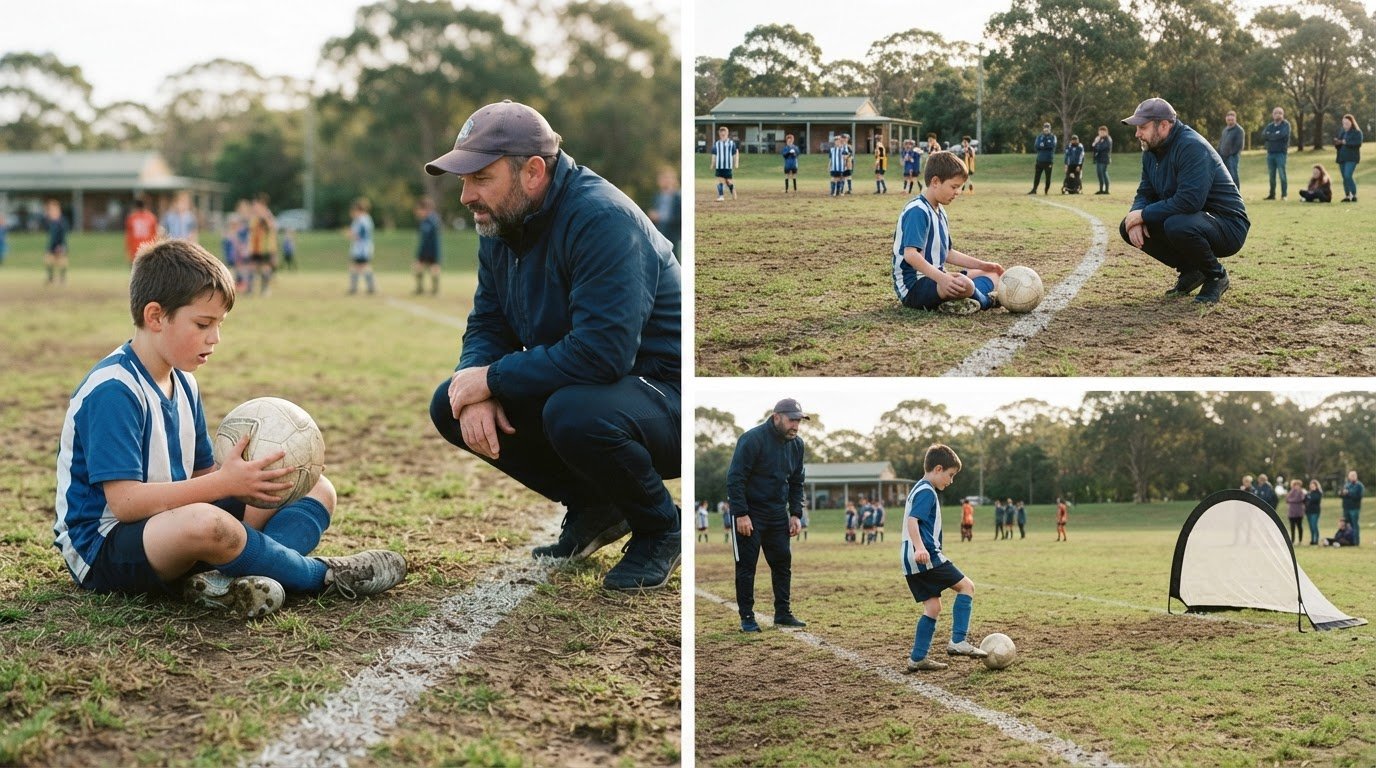
A first junior session usually starts with players meeting the coach and getting comfortable in the space. Arrive ten to fifteen minutes early so your child can settle in before activities begin. Beginners benefit from short explanations, demonstrations, repetition and play rather than long talks about tactics. As the surroundings and group become familiar, confidence can grow.
Choose a program that suits your child’s age, confidence and reason for joining. A child who wants to try football and meet others may enjoy a welcoming community setting. A structured development program may focus more on progressing skills. Look for beginner activities that give children time to practise instead of leaving them waiting in queues.
Outdoor football is played on a grass or synthetic field, while futsal is played indoors on a hard court. The right choice depends on the experience your child wants and the program available. A trial session lets your family see how the coach explains activities and includes new players.
To find a local junior club in Australia, search using your suburb or area and the words “junior soccer club”. Review its age groups and registration process, then follow the club’s steps if your child wants to continue after a trial.
Junior season dates vary across Australia. Each state or territory has its own competition calendar, and local associations set registration timing. Check the calendar for your area when planning a season.
Before the first session, tell the coach about injuries, medical needs or additional support needs. Take concerns about bullying, intimidation or feeling unsafe seriously, and look for a clear safeguarding or complaints process. Heat arrangements depend on the session conditions and local policy, so follow the organiser’s instructions if plans change.
2. Does my child need football boots for the first session?
Not necessarily. Suitable footwear depends on the playing surface, so wait until you know whether the session is on grass, synthetic turf or an indoor court before buying boots. Comfortable clothes that allow running and stretching are a practical starting point. A full kit isn’t always needed for a trial.
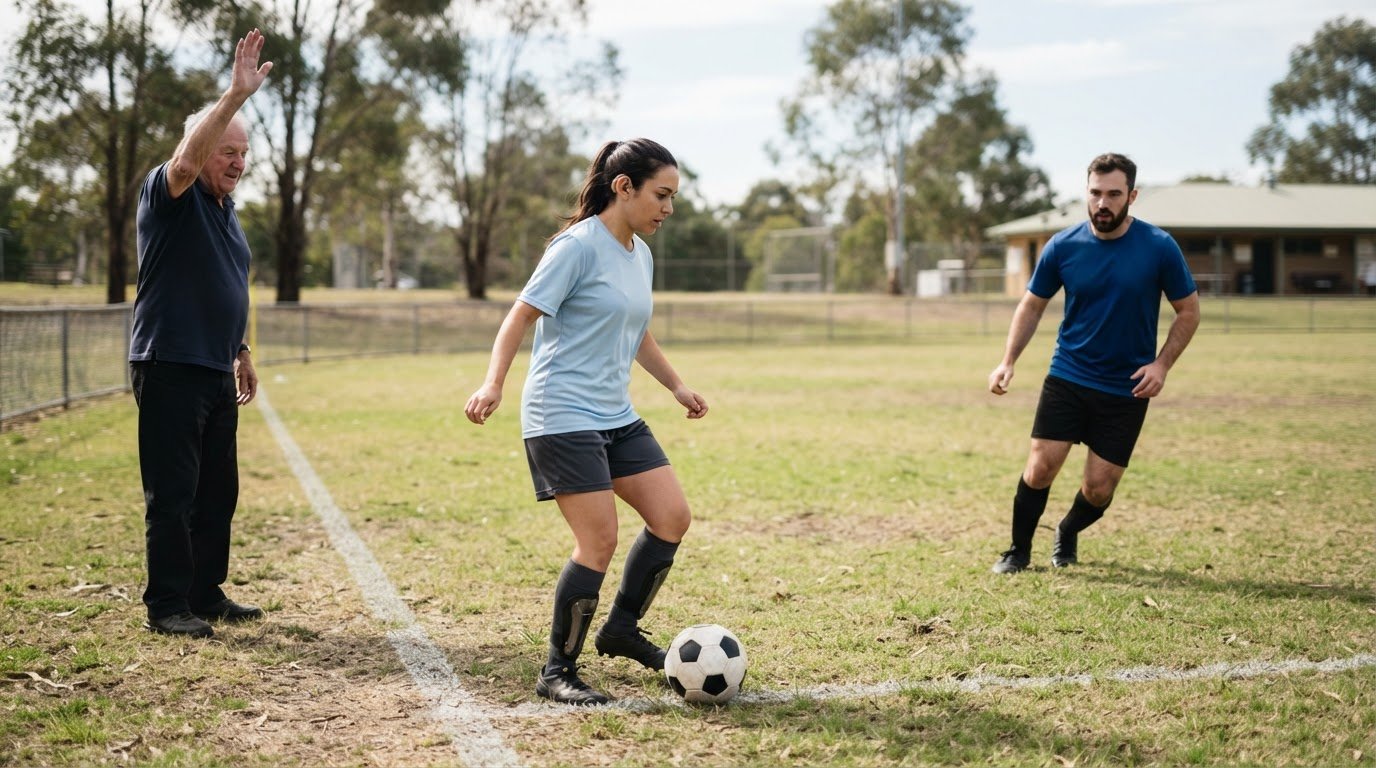
Ask whether shin guards are needed before the session, as they may be required even at training. They should sit securely beneath long socks without restricting movement. Remove jewellery and watches before active play. To help your child feel prepared, pack water, socks and any requested protective gear, then explain where you’ll meet the group.
A trial gives your child a chance to meet the coaches and see how the session feels before deciding what to do next. Beginners should get meaningful chances to touch the ball, rather than spend most of the session waiting in queues. Activities might include a short demonstration, repeated practice of a skill and a simple game.
A soccer match has two halves. At a restart, a player can’t touch the ball twice in a row. For offside, an attacker’s position is judged against the second-to-last defender when the ball is passed.
Training is a chance to practise and play; weekend matches put those skills into a team setting. After a difficult first session, listen without turning the car ride home into a performance review. Praise courage, listening and effort rather than goals, and ask what felt enjoyable or uncomfortable. Another trial or a break may be the right next step, depending on your child’s response.
If your child is keen to keep playing, Summer Soccer sessions offer a seasonal way to take part.
3. Age-appropriate soccer programs and fees
Start with your child’s age, confidence and reason for playing. One positive, age-appropriate session can be more useful than an overloaded training calendar. Look for coaching that gives players time to practise and plenty of touches, with activities suited to their experience. A child curious about soccer may enjoy learning basic skills before joining a competition team. A soccer parent guide for beginners should help families find a comfortable starting point, not add pressure to do everything at once.
Junior programs often organise groups by age. Youth soccer groups may include children aged six, eight, 10 or 12 years. Those age bands help families find suitable options, while session activities and the learning environment also matter. Consider whether your child would enjoy practising skills, learning through games or taking part in team competition. This soccer parent guide for beginners approach puts your child’s interest alongside the age label.
Team formats and match lengths vary in junior soccer. Age groups may have different team sizes and playing arrangements, while match duration depends on the competition format. Find out how a program structures training and games to judge whether it fits your child’s week and energy.
Program costs can vary with the format, season length, included items and equipment needed. Compare the full commitment, including the schedule, equipment needs and any cancellation arrangements, before continuing after a trial. A seasonal program and a holiday clinic may suit different family calendars, so consider the time involved as well as the activities.
Make the choice step by step: match the age group, consider your child’s confidence, then weigh up timing and cost. If they enjoy the trial but feel unsure about a full season, a shorter program can be a manageable next step. Leave room for school, rest and other sports, so soccer fits comfortably into family life.

4. How does junior soccer work in Australia for beginners?
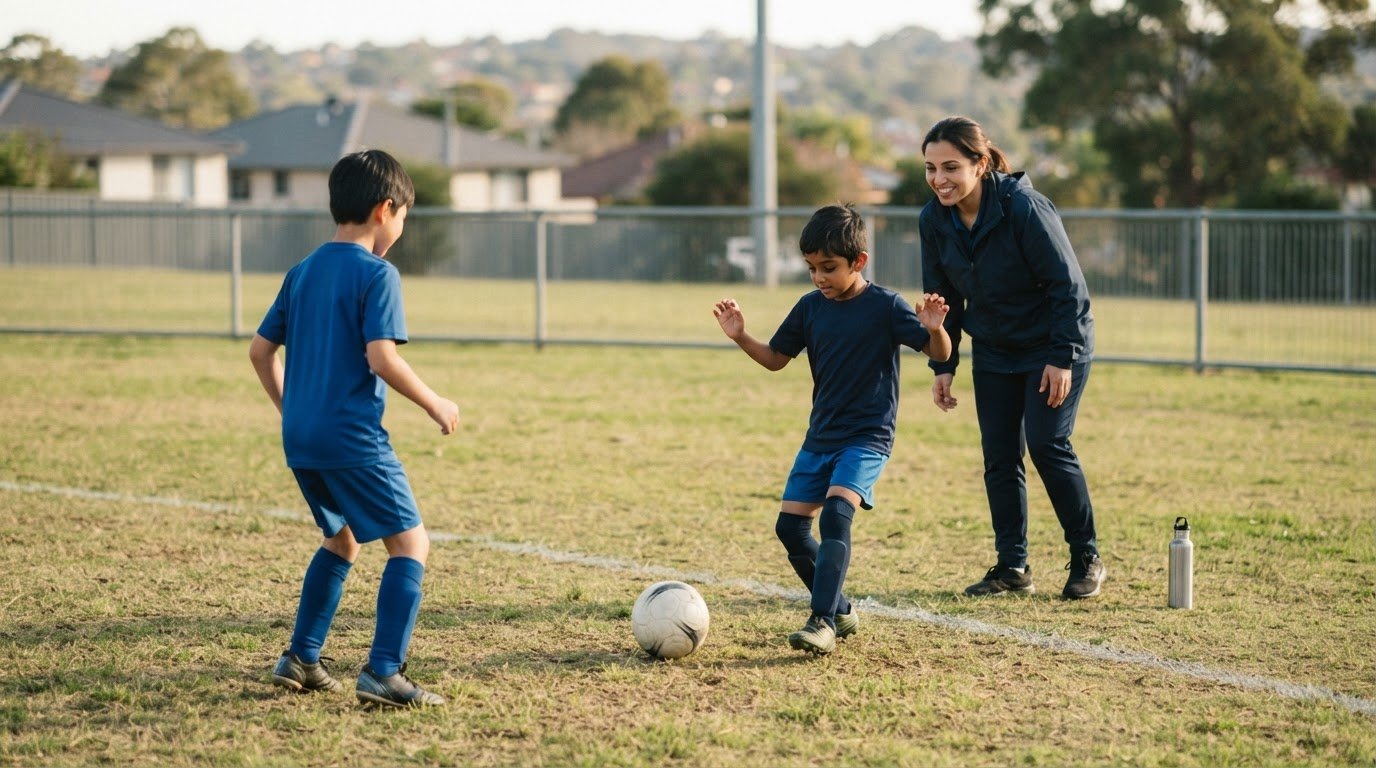
Junior soccer usually moves from practising skills into team play. At training, children learn through demonstrations, repetition and games. A coach may introduce simple activities such as passing to a teammate, moving into space or trying to keep possession. These give beginners practical ways to take part without knowing every rule first.
A soccer match is played in two halves. Children play as part of a team, taking turns to attack and defend as possession changes. The aim is to work together to move the ball towards the opposition’s goal and score. Team formats and match lengths vary by age group and competition, so the local program’s arrangements shape a junior player’s experience.
Moving from training to a weekend match brings a few new routines for families. Find out where the team meets, when players should arrive and what clothing or equipment they need. Your child may warm up with teammates before the match and listen to the coach’s instructions. Encouragement from the sideline can help them focus on teamwork and effort.
Keep the first match simple. Help your child understand where to meet their team and who to approach if they need support. They don’t need to memorise every rule before joining in. Familiarity comes through watching, practising and playing, and coaches can explain rules as situations arise. Afterwards, ask what they enjoyed or learned rather than assessing their performance.
As your child settles in, use training and match days to notice what helps them participate. They may feel more comfortable after learning teammates’ names, practising a skill or understanding the match routine. If you’re ready to take a next step, find a junior soccer program that gives your child space to learn, play and enjoy being part of a team.
International Parramatta FC: Summer Soccer
International Parramatta FC offers Summer Soccer for families looking for a seasonal way to get involved. If your child enjoyed a trial but isn’t ready for a full season, Summer Soccer or a Holiday Clinic may suit their next step. For children keen to join a competition team, Seasonal Football Team Registration is another option.
International Parramatta FC welcomes players of all ages and abilities, from three-year-olds to adults, across boys’, girls’, women’s and men’s teams. Choose an option that suits your child’s interest, confidence and family schedule, and take the next step at a pace that feels right.
For a friendly conversation about getting started, contact International Parramatta FC.
Make the first step their own
Your child’s first experience doesn’t need to lead straight to a long-term commitment. Let their response guide what comes next: they might want to return, try a different program or take time before deciding. Giving them a say helps soccer feel like something they choose, not another expectation to meet.
A soccer parent guide for beginners can help you prepare, but your child’s enjoyment is the best signal for finding a comfortable rhythm. Notice what sparks their interest, whether that’s learning a skill, being part of a group or simply having a run around. Keep the conversation light and let confidence build through participation.
If you’d like to explore a suitable next step for your family, talk with International Parramatta FC. A first kick can open the door to new friendships, shared effort and plenty of fun. Take it one session at a time, and celebrate the joy of getting involved together.
Frequently Asked Questions
Does my child need football boots for the first session?
Not always; the surface determines suitable footwear. If you’re unsure what to bring, message the organiser before the session and describe the shoes your child already has. Runners may suit some introductory activities, while a grass or synthetic field may call for different footwear. Avoid buying boots until you know the surface and session requirements.
How long will it take my child to become confident?
There’s no set timetable for confidence. A child may join in straight away, while another needs time to watch, learn the coach’s name or recognise a teammate. After each session, ask what felt comfortable and what they’d like to try next time. Small signs, such as joining a game or asking to return, can show how they’re settling in.
Should parents stay for junior soccer training?
That depends on the session arrangements and your child’s needs. Before training, find out whether families can watch from a designated area, stay nearby or leave once the group begins. If your child feels unsure, agree on a simple plan, such as where you’ll wait and where they can find you. A clear goodbye can make the handover easier.
What should a child wear to soccer training?
Choose comfortable clothes that let your child run, bend and stretch easily. A T-shirt, shorts and long socks are practical options, with layers for cooler conditions. Remove jewellery and watches before active play, and pack a change of clothes if the field is wet. Follow any specific clothing instructions for the session.
What usually happens at a first junior soccer session?
Expect an introduction to the coach and group, followed by simple activities that help children get moving and familiar with the ball. Your child might practise passing, dribbling or shooting before joining a small game. You can help by arriving calmly, sharing any support needs with the coach and letting your child take part at their own pace.
What age can children start playing soccer in Australia?
Some Australian programs welcome children from age three, but the right starting point depends on the child and the program’s age groups. International Parramatta FC offers football programs for players from three-year-olds to adults, in a welcoming Christian setting for people of every age, gender, culture and background. Look for activities suited to your child’s stage and interests rather than assuming they need previous playing experience.
Comments