
3 things to check for an inclusive kids’ sports club in the Hills District
Updated: Oct 31
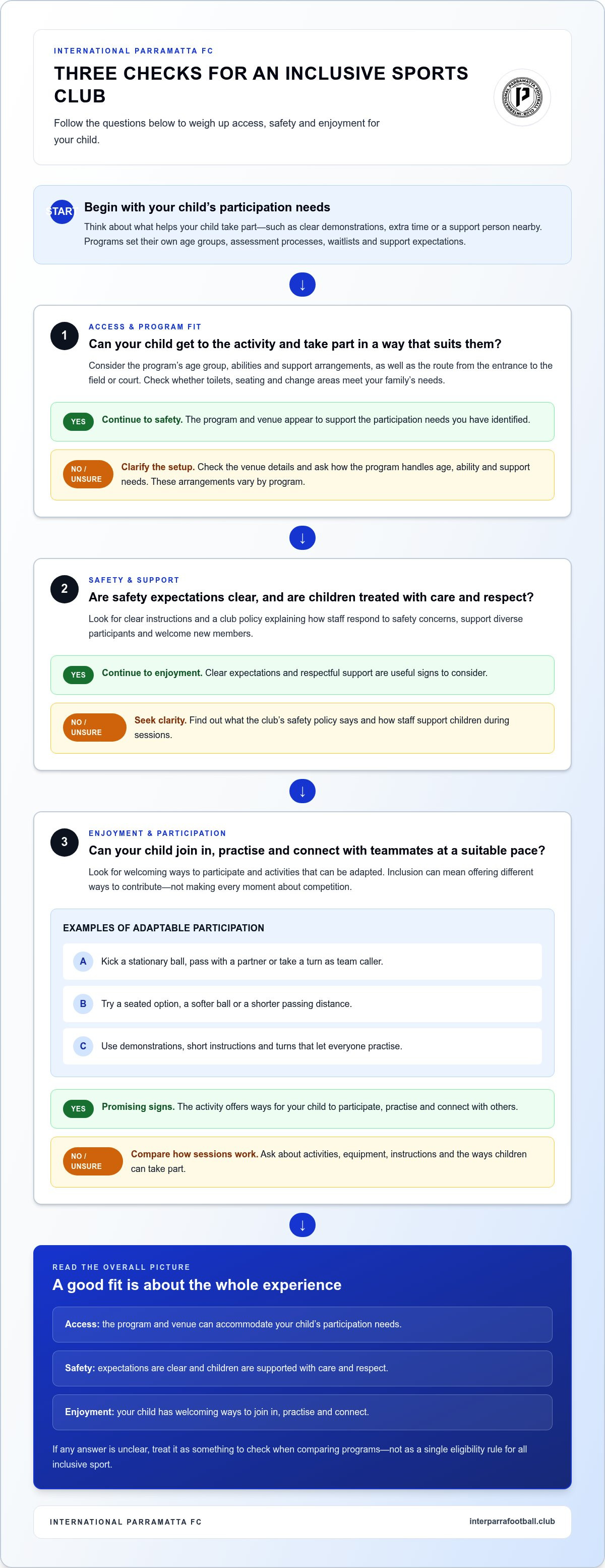
To assess an inclusive sports club for kids in the Hills District, focus on three things: access, safety and whether children can enjoy taking part. A welcoming club considers different abilities and experience levels, with practical ways for each child to join in.
It’s natural to want more than a place to play. You want your child to feel comfortable, supported and part of the group, whether they’re new to sport or already love being active. Inclusion is about the whole experience, from joining in to feeling valued among teammates.
Use these three checks to consider whether a club could suit your child: access, safety and enjoyment. Think about how activities are run, how children are supported and whether the environment helps them connect with others. These questions can help you compare local options and find a good fit for your family.
Table of Contents
1. Inclusive and supportive physical activity for kids
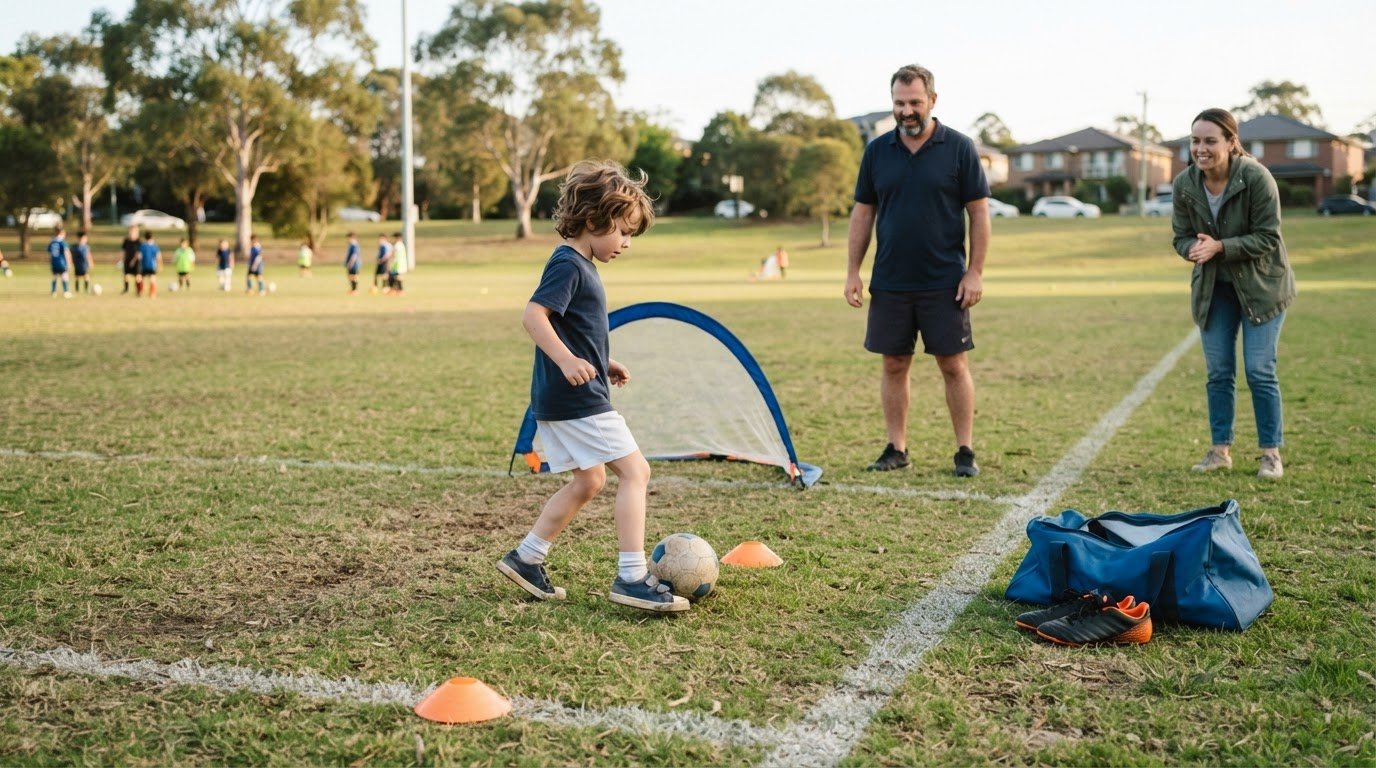
An inclusive sports club plans for participation from the outset. Children bring different strengths, communication styles, cultural backgrounds and experience with physical activity. A practical approach is to offer different ways to join a drill, such as kicking a stationary ball, passing with a partner or taking a turn as team caller. Each option gives children a chance to contribute without making every moment about competition.
Historical census figures can illustrate why local understanding matters, but they must not be treated as a profile of Hills District families. According to the Australian Bureau of Statistics, in the 2011 Census, there were 2,239,170 people in Western Australia of these 50.3% were male and 49.7% were female. Those figures describe Western Australia, not Parramatta, Cumberland, the Hills or Blacktown in New South Wales.
The same distinction applies to Aboriginal and Torres Strait Islander population figures. According to the Australian Bureau of Statistics, the 2011 Census recorded 69,664 Aboriginal and Torres Strait Islander people living in Western Australia. Aboriginal and Torres Strait Islander people represented 3.1% of Western Australia’s population in 2011, according to the Australian Bureau of Statistics. For a Hills District club, these are not local figures; respectful inclusion starts with listening to local families and community leaders.
Families and supporters can help make a child’s first sessions easier. A parent might introduce a new player to teammates, while a volunteer explains the session routine before activities begin. Clubs can invite families to share helpful participation tips and pair new members with a friendly teammate. These steps can build connection and a stronger sense of belonging.
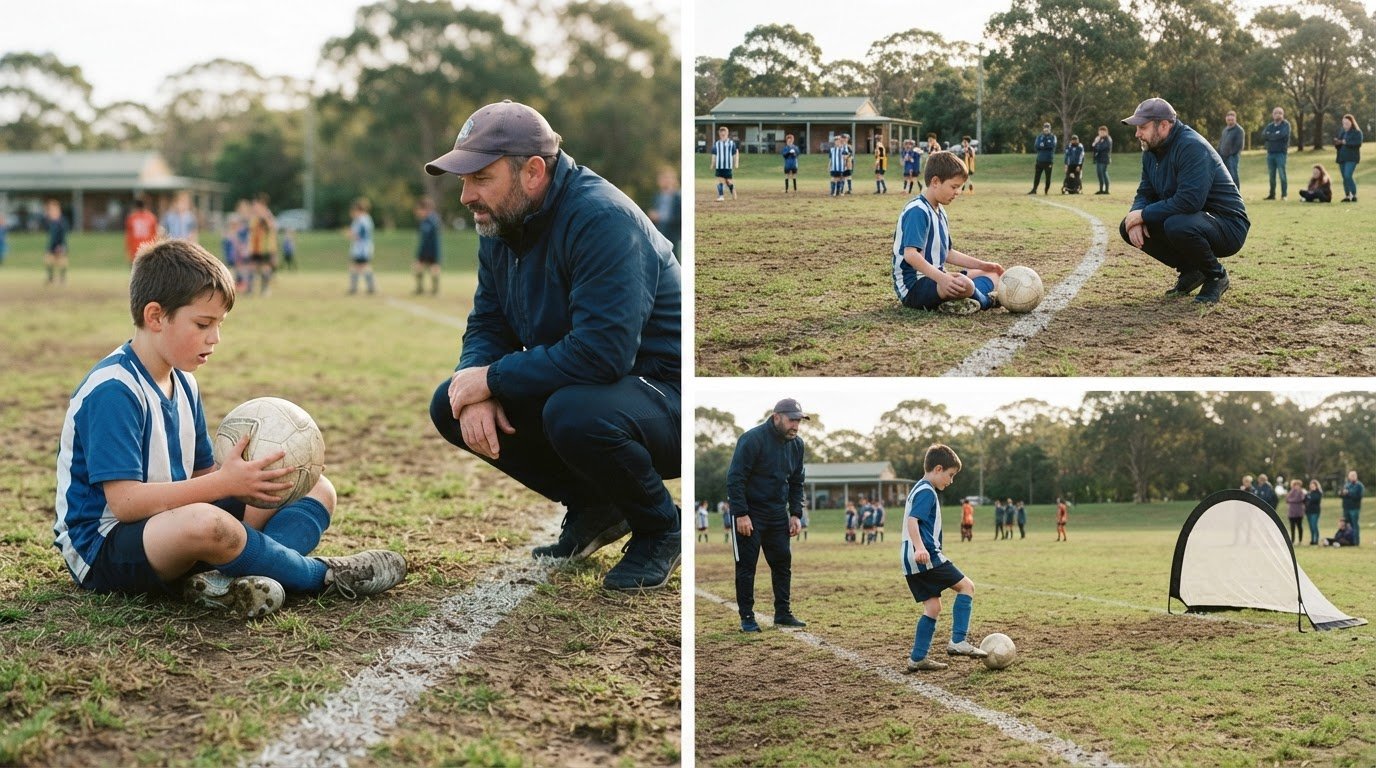
Coaches and volunteers can use clear instructions, adapted drills and encouragement for different skill levels. For example, a coach might demonstrate a football activity, explain it in short steps and let players choose a passing distance. Conversations with participants and families can help clubs understand what supports participation in their community.
2. Accessibility, safety and enjoyment in sport
There is no single eligibility rule for inclusive sports programs across the Hills District. Each program sets its own age groups, assessment process, waitlist arrangements and expectations for support people. These details depend on the activity and how sessions are organised.
Programs also set out the ages, abilities and support needs they can accommodate. Some welcome beginners alongside experienced players; others organise activities by age or skill level. Before choosing, describe what helps your child participate, such as clear demonstrations, extra time or a support person nearby. For families accessing NDIS funding, providers like Paramount Care Solutions offer an example of how dedicated disability support services can help participants get involved in community and recreational activities.
Sport should be accessible, safe and enjoyable for everyone taking part. Look for welcoming ways to join, clear instructions and activities that can be adapted. For example, a coach might offer a seated option, a softer ball or a shorter passing distance. Children should also have opportunities to practise, connect with teammates and play at a pace that suits them.
Access includes the whole venue, not just the playing area. Notice whether the route from the entrance to the court or field is manageable, and whether toilets, seating and change areas meet your family’s needs. A club policy can explain how staff respond to safety concerns, support diverse participants and welcome new members. In wheelchair tennis, for instance, families can consider whether the playing space and session setup support their child’s participation.
For enrolment, identify a program that suits your child’s age and interest, then follow its registration steps. Share relevant participation needs on the form or during the enrolment process so organisers can plan the session. Ask how activities work, what equipment is used and whether a support person can join. Families exploring football can also view community football participation as one possible starting point.
3. Examples of inclusive sports programs
Families in the Hills District can explore inclusive options through local clubs, schools and community activities. The available disability-inclusive or adaptive sessions vary by program. Compare the sport, age group and approach to support, then look for clear information on how children take part. Football holiday clinics can offer structured activities during school breaks, while junior netball provides another way to enjoy team play and develop skills. For children seeking individual skill-building and disciplined movement, programs such as Pinnacle Taekwondo Martial Arts illustrate how structured training can support fitness and confidence at a child's own pace.
Program locations vary by organiser and activity. A school may run sport on its grounds, while a club may use a local court or field. To find a nearby option, start with your child’s school or suburb, identify the sport they enjoy, then search for sessions in that area. Check the venue details, including the entrance, playing surface and accessible facilities, before planning the trip.
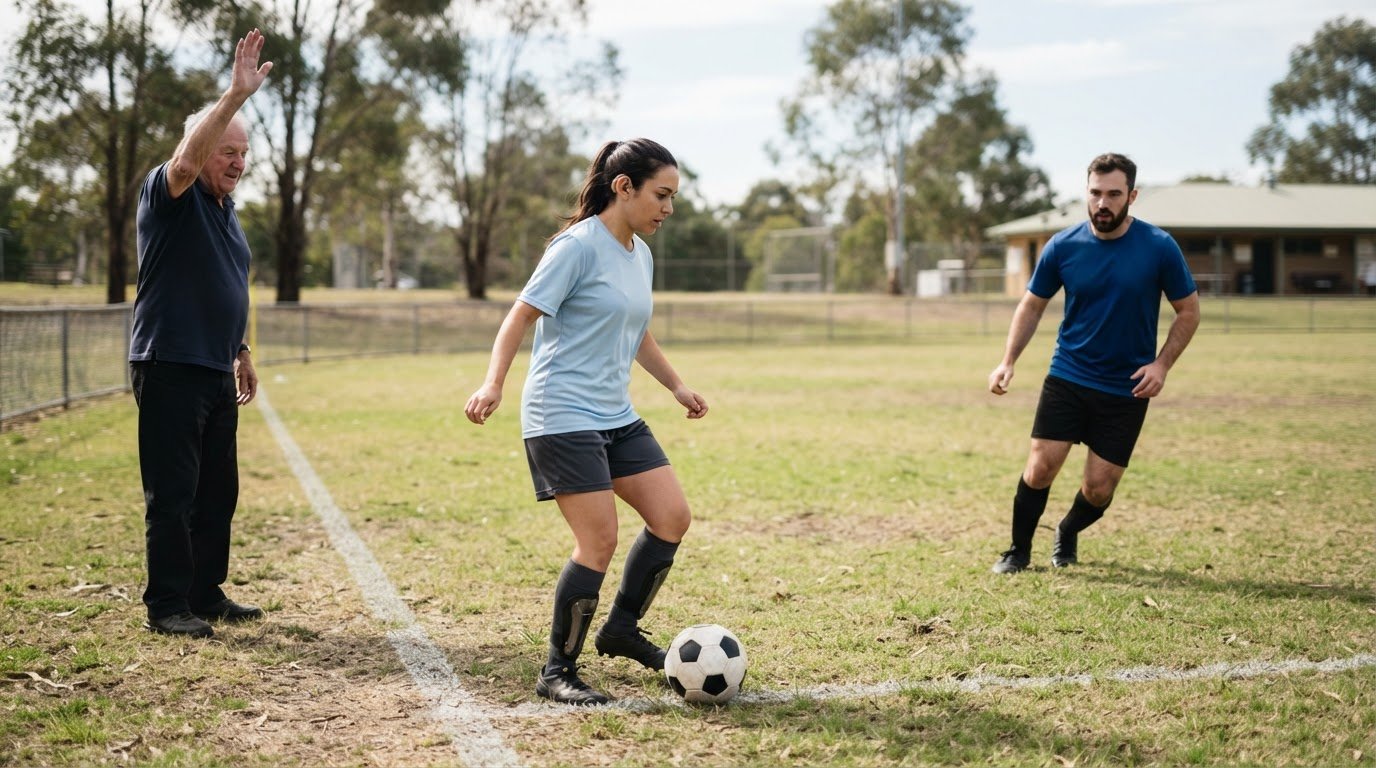
Adaptive sport can adjust equipment, instructions or how an activity is played. Wheelchair basketball, for example, lets participants play using wheelchairs, while a school sports day can include activities designed for different ways of moving. In football, a coach could use a larger ball, shorter passing distances or partner drills to support different skill levels. These examples show how familiar activities can offer varied ways to take part.
After-school sessions fit sport into the school week, while holiday programs give children a chance to practise outside term time. In either format, useful coaching includes demonstrations, simple instructions and ways for everyone to take turns. In junior netball, for example, a coach might practise passing in pairs before inviting children into a team activity, teaching the basics in manageable steps.
When choosing a program, consider your child’s age, interests and preferred support, then compare these with the activities and venue. Find out about the coaching format, equipment and how children join in. International Parramatta FC’s Holiday Clinics offer a football option during school holidays, with program details to help families decide whether the activities suit their child.
Programs may take place on school grounds or at a club’s local court or field, including after-school and holiday sessions. To find a nearby option, search by your child’s school or suburb and check the venue details.
4. Benefits of inclusive sports clubs
Inclusive sport gives children with and without disability opportunities to play, learn and connect. A passing drill, for example, lets teammates practise coordination while taking turns and communicating. Taking part in sport can support positive physical and mental health, while shared activities help children build friendships beyond the playing field. These benefits are encouraged when coaches recognise different strengths and value each child’s contribution.
Skills learned through sport can carry over into school and everyday life. Waiting for a teammate’s pass gives a child a chance to practise patience; taking part in a team activity can build confidence speaking with others. Coaches can support this learning with clear feedback, demonstrations and praise for effort as well as results. These habits can help make sessions welcoming for children with varied experience.
At community level, inclusive clubs bring different groups together around a shared activity. Families can meet at training and matches, building connections that extend beyond sport. Clubs can also help challenge social stigmas and barriers by making participation visible and part of everyday community life. A welcoming team environment shows children that people with different abilities and backgrounds can contribute side by side.
Inclusion can benefit clubs too. A proactive focus can broaden the membership, volunteer and participant base, expand sponsorship opportunities and support long-term sustainability. For example, clear communication and adaptable activities can make it easier for more families to consider joining. To assess a club’s approach, notice how coaches include players in drills, explain team expectations and recognise effort across the group. Explore community football participation as a next step for your family.
International Parramatta FC: Summer Soccer
International Parramatta FC offers Summer Soccer for families looking for football beyond the usual season. Its programs are for players of all ages and abilities, from three-year-olds to adults. Seasonal Football Team Registration and Holiday Clinics offer other ways to play football during the year.
If your child is curious about football, consider whether a seasonal team or holiday clinic fits their interests and routine. The checks in this guide, including session format, access and support, can help you decide what suits your family. Contact International Parramatta FC to explore its programs.
Help your child take the next step
Choosing an inclusive sports club for kids in the Hills District is also an opportunity to involve your child in the decision. Talk about what they’d like to try, whether that’s learning a new skill, joining a team or enjoying time with other kids. Their interests can help you find a program that fits your family’s routine and goals.
After a session, ask your child what they enjoyed, what felt challenging and whether they’d like to take part again. Their answers can help you identify the kind of sporting environment where they feel comfortable and motivated.
If football is on your child’s mind, explore the options from International Parramatta FC and choose a next step that suits your family. Explore International Parramatta FC programs and find a welcoming way to get involved.
Frequently Asked Questions
How accessible is your club?
International Parramatta FC offers football programs for players of all ages and abilities, from three-year-olds to adults. Physical access also depends on the venue and session. If your child uses mobility equipment, consider the route from drop-off to the playing area, accessible toilets and space to move around the sidelines. A good fit includes both a suitable activity and a workable visit for your family.
How can your club increase participation from diverse communities?
Clubs can encourage participation by making their welcome visible and involving the communities they serve. In Parramatta, Cumberland, the Hills and Blacktown, practical steps include using clear, respectful language, showing diverse families in program communications and inviting local community leaders or members to shape inclusion practices. A newcomer buddy can make a first visit easier, while a simple feedback channel helps organisers identify barriers and improve communication.
What inclusive sports clubs and programs for children are available in the Hills District, NSW?
Families in the Hills District can consider local club programs, including football in nearby Parramatta. International Parramatta FC offers Summer Soccer, Seasonal Football Team Registration and Holiday Clinics for players from three-year-olds to adults. Seasonal registration provides a team option, Summer Soccer offers football outside the usual season, and Holiday Clinics run during school breaks. The club serves Parramatta, Cumberland, the Hills and Blacktown.
What accessibility, equipment, staffing and safety arrangements do local inclusive sports clubs provide?
Arrangements depend on the sport, venue and session, so consider each area separately. At the venue, assess step-free entry, paths, toilets, seating and emergency exits. For equipment, consider whether different sizes, weights or alternatives could support your child’s participation. For staffing, look for clear supervision roles and an agreed way to share essential support information. Safety planning can also cover warm-ups, hydration breaks, injury response and expectations for respectful behaviour.
Where are inclusive children's sports programs held across the Hills District, and what are the nearest locations?
Programs may take place on school grounds or at a club’s local court or field, including after-school and holiday sessions. To find a nearby option, search by your child’s school or suburb, then check the venue details.
Comments