
How to Get Your Child Ready for Their First Soccer Practice
A first soccer practice is about joining the group, not getting every skill right. If you’re wondering what to expect on your child’s first day of soccer practice, a session commonly includes a warm-up, ball activities, a few teaching moments and a small-sided game. A water bottle and shin guards worn under the socks are useful essentials.
It’s natural to wonder whether your child will feel comfortable, especially if they’re new to team sport. A friendly introduction, simple instructions and the chance to join in at their own pace can help them feel welcome. This guide covers activities on the field, what to bring, hydration and what coaches may ask of players and parents. You’ll also find gentle ways to tell whether your child enjoyed the session, even if they’re shy or still deciding how they feel.
Table of Contents
Helping players get to know each other
For beginners, holes, glass and rocks can create trip or cut hazards, so the field should be checked before practice. A coach should keep players in view and have a first aid kit and instant cold packs available.
Tell the coach if your child feels nervous. A quick heads-up gives the coach a chance to greet them calmly, explain the first activity and avoid putting them on the spot. You might say, “They’re a little unsure today, but they’d like to have a go.” That detail can help make the first welcome feel more personal.
Help your child learn a couple of names. Pairing players in small groups of two or three can make introductions easier than speaking to the whole group. The coach might ask each pair to pass a ball and share their names. Your child can start by remembering one teammate’s name, then build from there as they join activities.
Let the coach guide early interactions. A simple passing game or a short scrimmage between two players gives beginners a shared task, so conversation doesn’t have to come first. For example, the coach can invite a pair to take turns passing and saying each other’s names. Joining in can help a quieter child feel part of the group.
Keep the first session low-pressure. Encourage your child to try each activity, while making it clear they can tell the coach if they feel uncomfortable. Coaches should avoid asking beginners to do things they can’t do or don’t feel comfortable attempting. If your child needs a pause, encourage them to speak up rather than push through discomfort.
Stay nearby if your child is young. Having a parent close during a first practice can help younger players settle in. The coach should also have every guardian’s phone number available during practice, so they can reach a parent if an issue arises. After training, ask your child which activity helped them feel most included.
Practice equipment and hydration
To prepare your child, pack a water bottle and suitable footwear, then lay out shin guards and socks. For a first practice, keep the kit simple and comfortable.
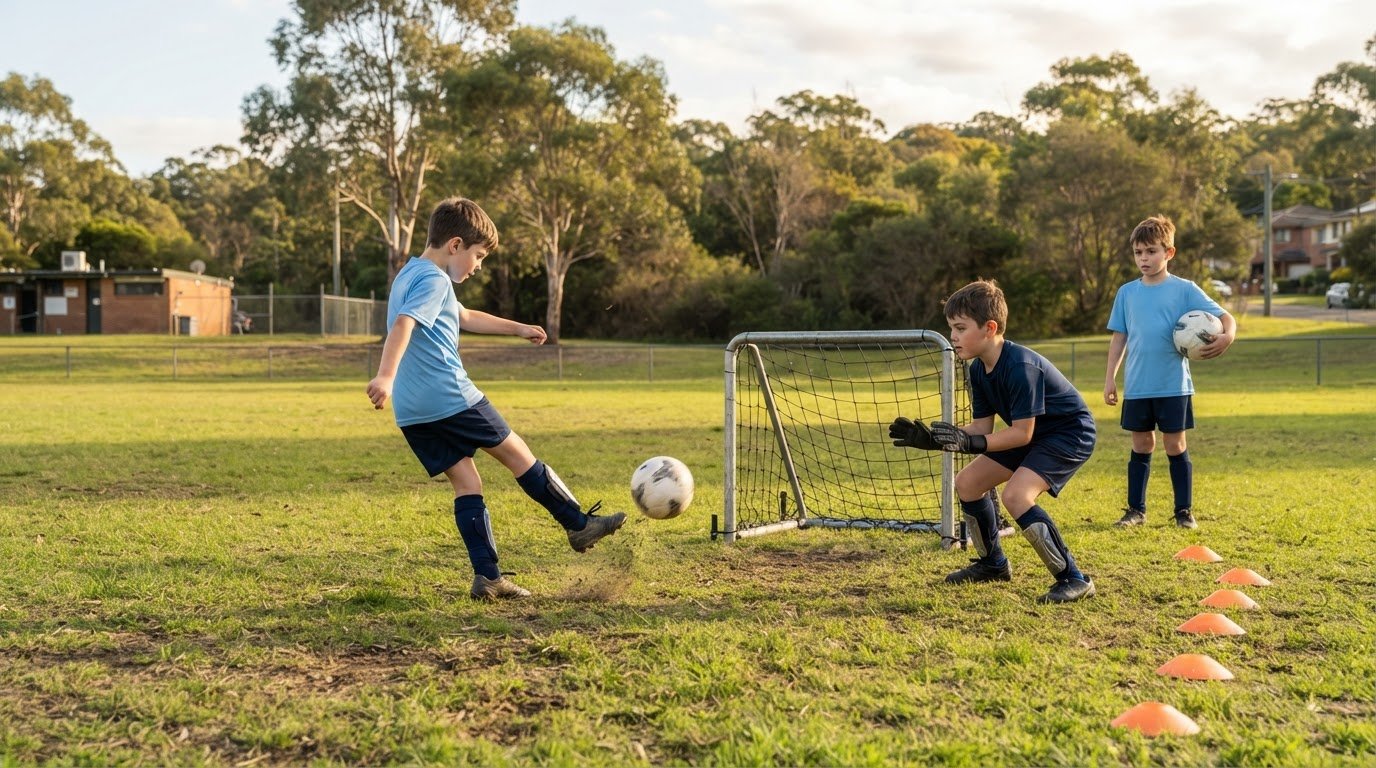
Prepare practice equipmentSet out shin guards, socks and comfortable clothes before leaving home. Shin guards should sit under the socks during practice, so check they stay covered when your child moves. A new club uniform can wait until one is assigned. That way, you can avoid buying or preparing a uniform before your child knows what they’ll wear.
Plan for hydrationFill a water bottle and pack it where your child can reach it easily. Players should bring their own bottle rather than rely on someone else to provide a drink. Regular water breaks help players stay hydrated and comfortable. Let your child know they can drink when the coach pauses the activity, or if they need water during practice.
Choose footwear for the session. Cleats are preferred for practice on grass because they’re made for playing on that surface. For a beginner’s trial practice or first evaluation, athletic shoes are usually acceptable instead of cleats. If your child already has comfortable athletic shoes, they can be a practical choice for that first visit.
Do a final kit check together. Before heading out, ask your child to point out their shin guards, socks, shoes and water bottle. This quick routine helps them know which items are theirs and where to find them. Keep the bottle easy to reach, and make sure the shin guards are packed with the socks, not left behind.
Typical first-practice activities
Knowing what to expect on your child’s first day of soccer practice can make arrival feel simpler. Session length varies for children and adults, depending on age, planned activities and group needs. A first session commonly includes a warm-up, ball touches, teaching moments and a small-sided game.
Arrive ready to join the warm-up. The coach may greet players as they arrive, then start a flexible activity such as tag. Your child can move while learning the coach’s name and getting used to the field. If tag has started, they can join when invited. This relaxed beginning also gives newcomers a chance to see how the group follows instructions.
Try the warm-up before focusing on technique. A simple game helps players move and pay attention before working with the ball. Encourage your child to follow the coach’s directions and have a go. They don’t need to know soccer rules or skills beforehand. For example, they can copy the coach’s movement before trying the same action on their own.
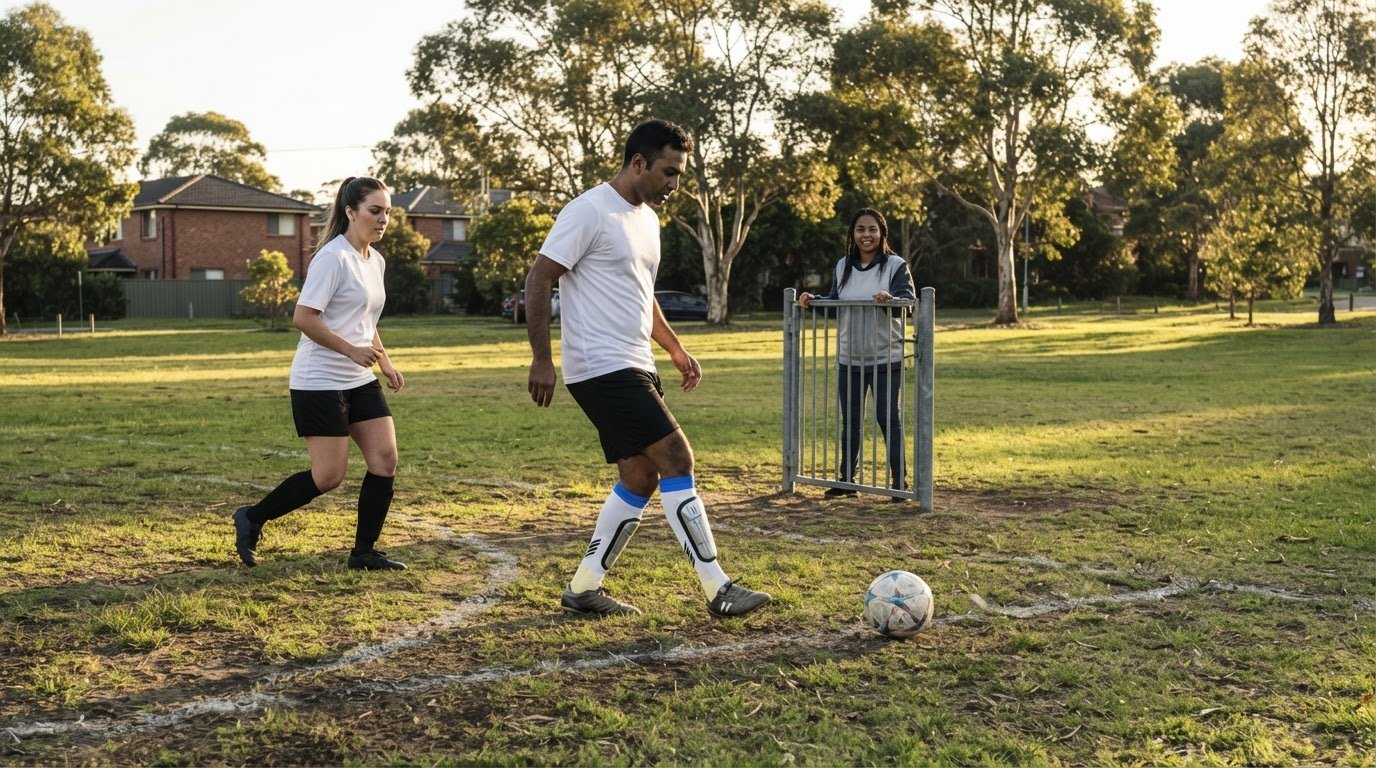
Take part in ball-touch activities. Coaches commonly make time for players to move the ball and practise basic control. The coach might ask children to guide a ball around a marked area, then demonstrate how to change direction. Your child can watch first, then try at their own pace. That’s a useful way to get a feel for their first day of soccer practice.
Listen for one teaching point at a time. A first session may include short explanations between activities. The coach could demonstrate passing to a teammate, then give players time to practise. Encourage your child to focus on the next instruction rather than remember every detail. If they miss a direction, they can watch another player’s example and join the drill.
Join the small-sided game. A short game lets children use new touches alongside teammates. Tony Pulis has used a 4v4 possession game in a 15x15-yard area when assessing players at a new club. His 11v11 full-pitch setup is another example, not a template every beginner session needs to follow. Your child can focus on joining in and finding space.
Welcoming players and setting expectations
Arrive early enough to meet the coach and help your child settle before activities begin. Complete any registration steps beforehand, so you can focus on introductions and getting ready to join in when you arrive.
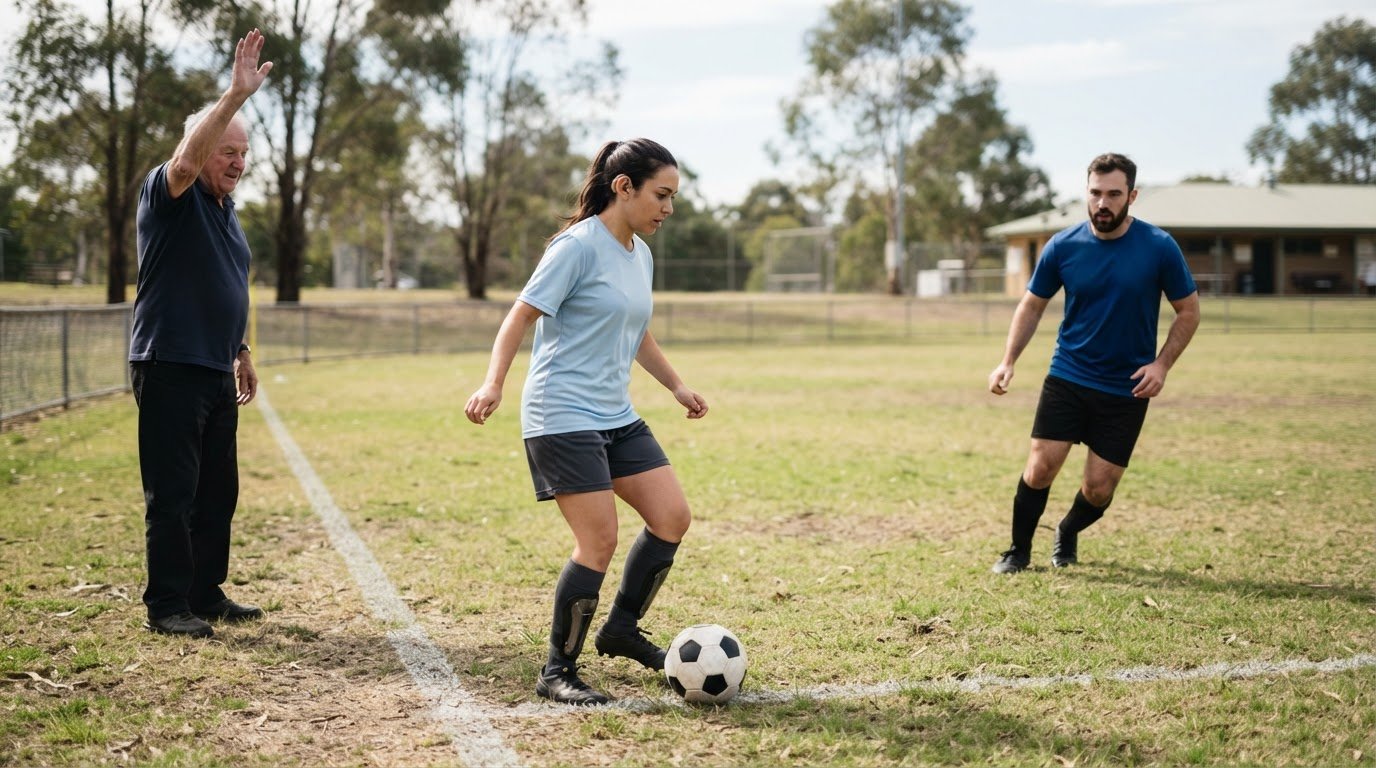
Give your child time to settle. Find the coach before the warm-up starts and share your child’s name and any useful context. For example, mention that they’re new to soccer or feel unsure about joining a group. A calm greeting and clear first instruction can make the opening minutes easier to follow.
Agree on what having a go means. Tell your child that the first practice is a chance to learn, not a test of skill. If the coach demonstrates a pass, they can watch, try it, then ask for help. Coaches should avoid asking beginners to do activities they can’t manage or don’t feel comfortable attempting.
Stay nearby if your child is young. A familiar adult close by can help younger players feel settled as they meet the coach and group. Let your child know where you’ll be during practice, such as beside the field. This gives them a clear point of reference while they take part independently.
Set a simple communication plan. Tell the coach if your child will miss a practice or game, so they can plan for the group. Before leaving, make sure the coach has your phone number. Coaches should keep every guardian’s number available during practice for important communication.
Notice how the coach builds familiarity. A name cheat sheet can help a coach learn players’ names in one or two practices. A parent meeting can also give families a chance to hear expectations; one option is ending the first session 15 minutes early. After practice, ask your child which name they remember.
Ready to explore a welcoming football community? Take the next step with football.
International Parramatta FC: Summer Soccer
International Parramatta FC offers Summer Soccer as a next step for children who enjoyed trying football and want to keep playing. If your child is still finding their feet, a seasonal program offers another opportunity to take part and get comfortable with the game.
Programs cater for players of all ages and abilities, from three-year-olds through junior and youth groups to adults, male and female. Families can also explore Seasonal Football Team Registration or Holiday Clinics, depending on the kind of football opportunity they’re looking for. There’s no need to decide based on one practice alone; your child’s interest and readiness can guide what comes next.
If you’d like to talk through a next step for your child, contact International Parramatta FC.
Let your child shape what comes next
Knowing what to expect on the first day of soccer practice can take some pressure off, but your child’s own reaction matters most. Once they’ve had time to unwind, ask an open question such as, “What would you like to do again?” Their answer may reveal more than whether they scored or mastered a skill.
If they’re keen to return, let them know you’re glad they gave it a go. If they’re unsure, listen without turning the decision into a test. A child might need another session to feel familiar with the group, or might simply prefer a different activity. Their comfort and interest can guide your family’s next step.
When you’re ready to explore football opportunities or talk about a suitable next step, contact International Parramatta FC. A first practice can be the start of discovering new skills, friendships and enjoyment at your child’s own pace.
Frequently Asked Questions
How do I know if my child liked the first practice?
Look for signs of interest after your child has had time to relax, such as talking about a teammate, showing you a move or asking when they can play again. Their first reaction might be mixed, especially if meeting a new group felt tiring. Try asking, “What was one thing you’d like to do again?” Listen without steering them towards a particular answer.
What are the key things to look out for?
Notice whether your child seemed comfortable approaching the coach, understood what to do next and had chances to take part. These clues can tell you more than goals or polished skills. Also notice how they describe the group afterwards. Remembering a teammate’s name or mentioning a game they enjoyed can show what stood out to them.
What do I get the players to do?
Offer a simple shared activity that gives everyone a way to join. For example, ask players to say their names before passing a ball to someone new, or invite them to copy the coach’s movement while dribbling. Keep instructions clear and allow players to watch a demonstration first. The aim is to help the group participate together, not test individual ability.
What if your child cries, freezes, or refuses to join?
Stay calm, acknowledge how they feel and avoid making the moment a demand. Give them space beside you, then offer a small choice: watch the next activity or stand with the coach. If they’re ready, joining for one short turn may feel more manageable than entering the whole group. Let the coach know what’s happening and follow your child’s cues.
What should you expect at a first soccer practice?
Expect a session designed to help newcomers become familiar with the coach, other players and how activities work. Your child may need time to observe before joining, or may jump in straight away. Coaches can explain directions as they go, so beginners don’t need to arrive knowing tactics. Focus on whether your child felt welcome and found a comfortable way to participate.
What should a beginner bring to their first soccer practice in Australia?
Pack a filled water bottle, socks, shin guards and comfortable athletic shoes. Shin guards go beneath the socks, and cleats are preferred for grass; athletic shoes are usually acceptable for a beginner’s trial or first evaluation. Keep the kit practical rather than buying a uniform before one is assigned. Lay the items out together so your child knows what to bring.
Comments